26 Dec 2024 · 2 h 5 min
Books from Chase Hughes
“The Leading Body Language & Behaviour Expert: Manipulation Tricks The Military Use! 5 Signs Someone Is Lying To You! This Is Making You Less Likeable - Chase Hughes”
5 books mentioned
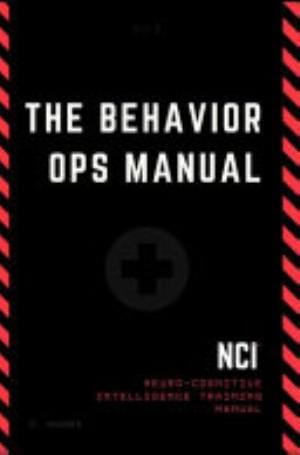
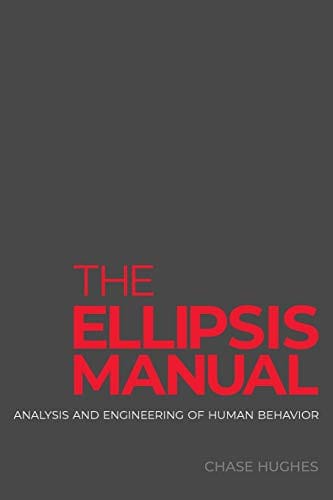
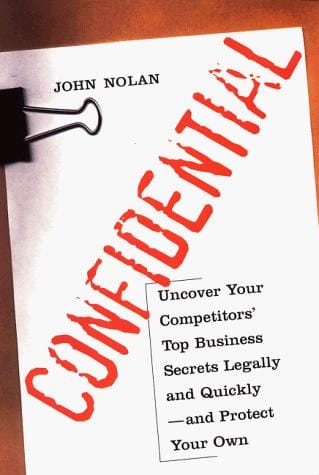
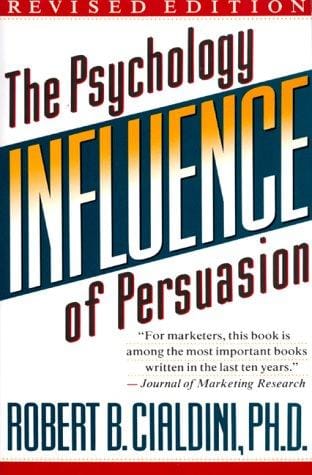
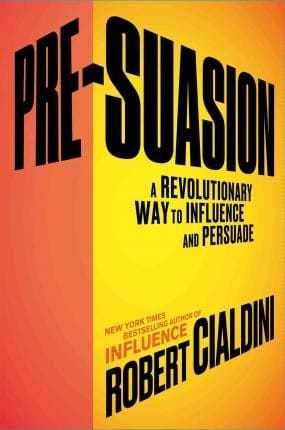
Buy links are Amazon affiliate links. Timestamps come from the audio release (which includes ad breaks), so the video may differ by a few minutes.
The conversation
Chase Hughes, a former US Navy Chief and behavior expert, discusses techniques for reading people, persuasion, and detecting deception. He explains models like ACSS and PCP, and covers how to identify social needs and core psychological drivers. The episode also touches on discipline, the pitfalls of short-form media, and the power of self-forgiveness.
Talking points
- Three factors for success: self-mastery, observation, communication
- ACSS model and five components of authority
- Blink rate analysis and reading people
- PCP model for influence and persuasion
- Identifying social needs: significance, acceptance, approval
- Discipline as prioritizing future self's needs
- Critique of short-form social media manipulation
- Delusional self-forgiveness and human behavior centrality